


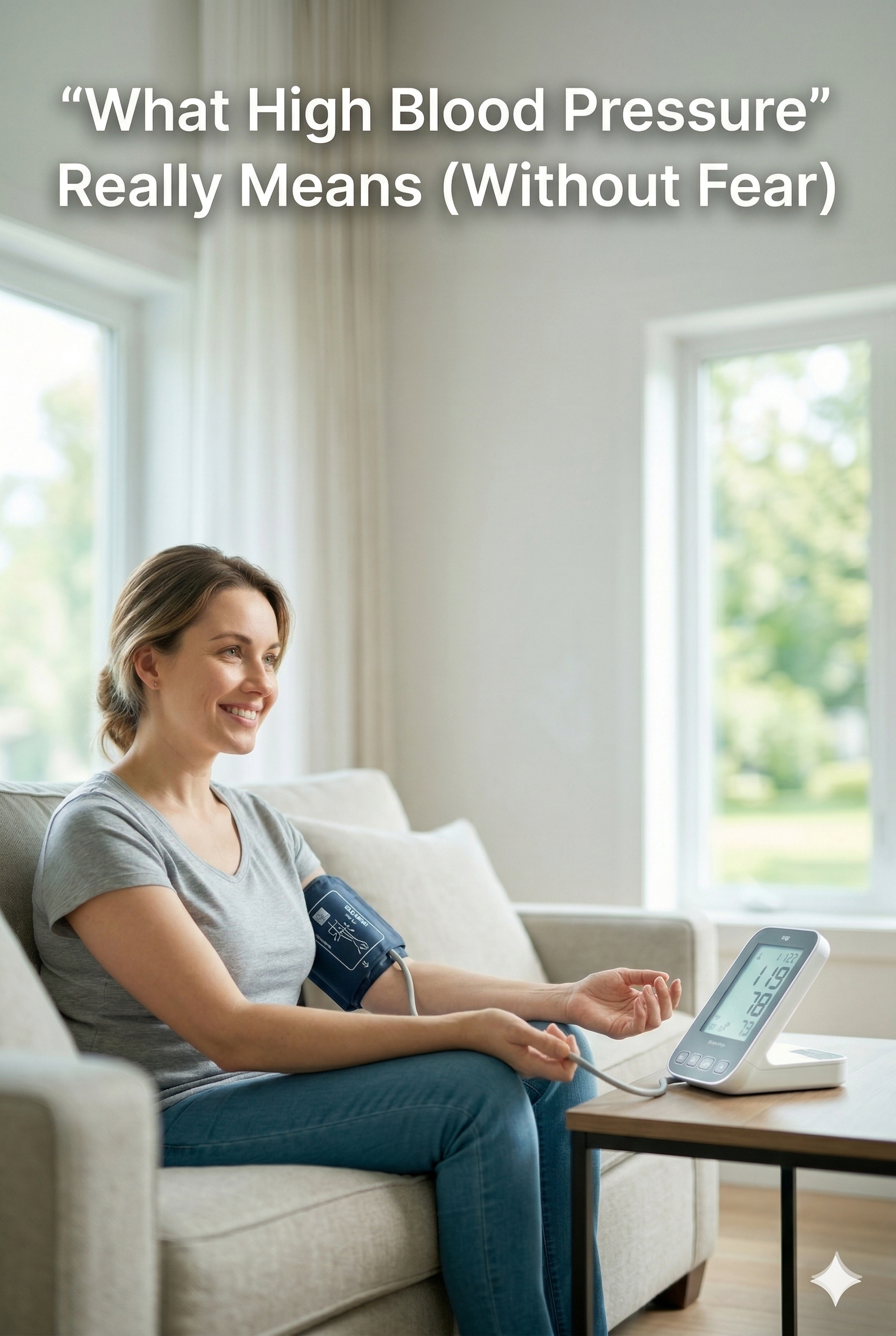
High blood pressure is one of the most common health conditions worldwide. Yet many people feel confused or worried when they see their blood pressure numbers for the first time.
You might have experienced this yourself. Perhaps during a routine check-up, you saw numbers that seemed higher than expected. It can raise questions and concern.
But there is something positive about knowing your blood pressure numbers. Many people live with high blood pressure without realizing it. Often, it shows no clear symptoms until it starts affecting important organs.
According to recent medical discussions, a large number of adults with high blood pressure do not have their condition under proper control. This highlights how important awareness and regular monitoring really are.
What Is Blood Pressure? (A Simple Explanation)
Before we talk about high or low blood pressure, let’s quickly understand what it actually is — and why it matters to you every single day.
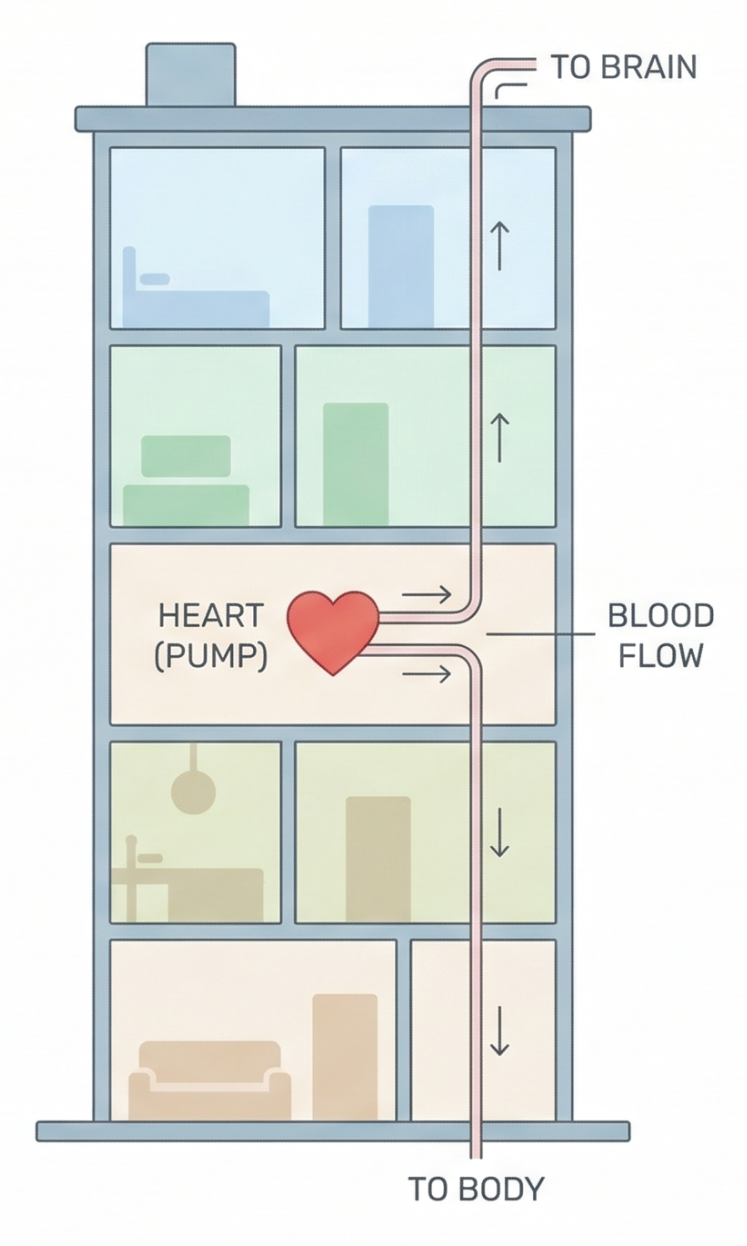
Think of your body as a multi-story office building. Your heart is the powerful pump located on one of the middle floors.
It pushes blood (like water) up to your brain and down to your legs and organs — then pulls it back. This constant flow delivers oxygen and nutrients to every cell while removing waste.
To make this work, the heart pumps blood with pressure — exactly like a water pump in a tall building needs pressure to reach every floor.
That pressure is blood pressure. You’ve had it since birth, and it’s completely normal — as long as it stays in a healthy range.
How Blood Pressure Actually Works
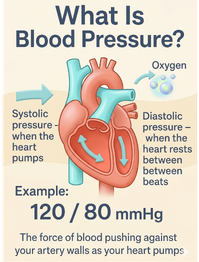
Blood pressure = the force of blood pushing against your artery walls.
- Top number (Systolic) → Pressure when the heart pumps blood out
- Bottom number (Diastolic) → Pressure when the heart rests between beats
A typical reading looks like this: 120 / 80 mmHg
- 120 = systolic (pumping)
- 80 = diastolic (resting)
Most monitors also show your heart rate (beats per minute) in smaller text.
Doctors use these two numbers to know if everything is working safely. When they stay consistently too high or too low, that’s when you need to pay attention.
Understanding Blood Pressure Ranges
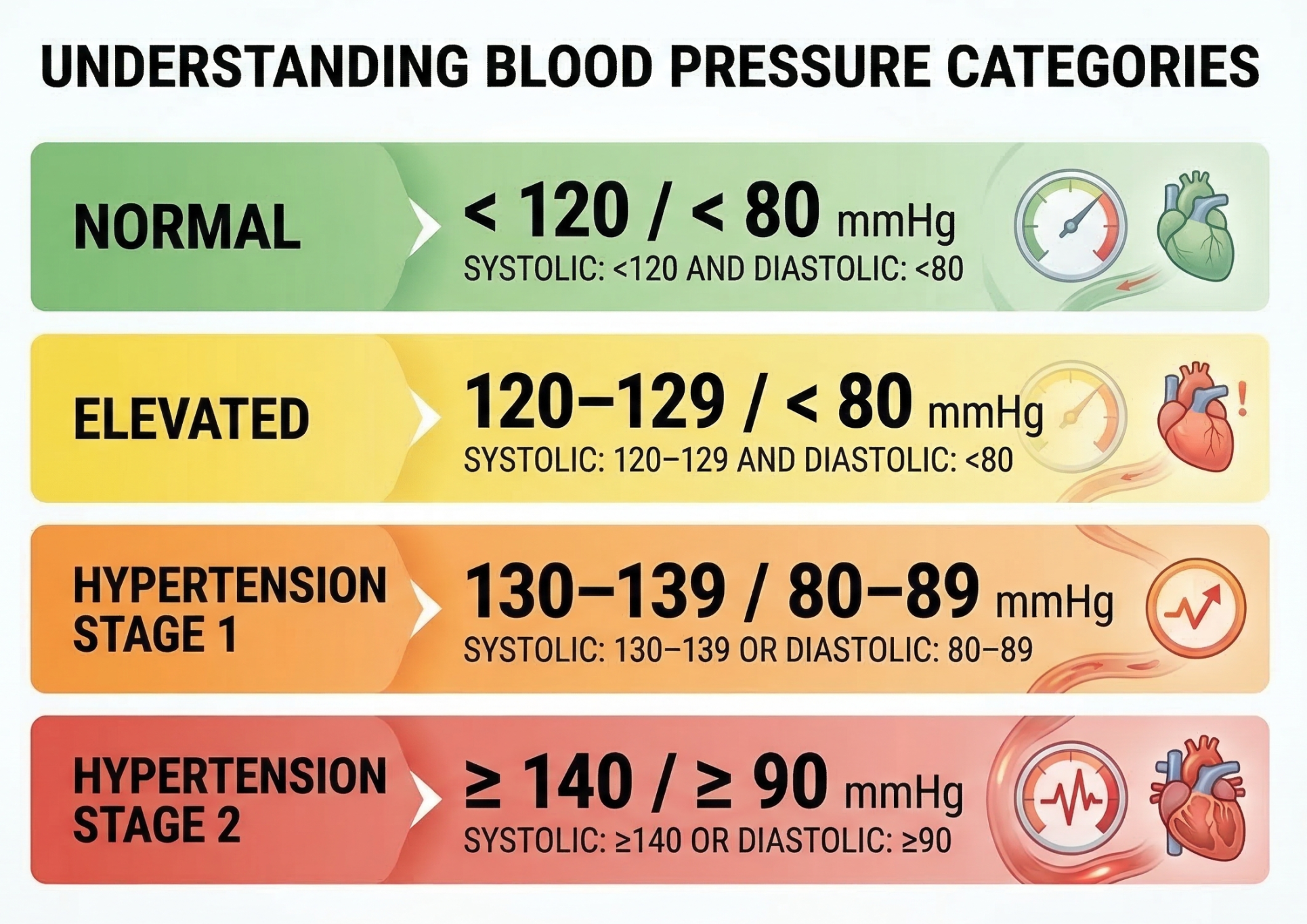
Blood pressure readings are grouped into categories to help understand whether levels are within a healthy range.
- Normal: below 120 / 80
- Elevated: 120–129 systolic and below 80 diastolic
- Hypertension Stage 1: 130–139 systolic or 80–89 diastolic
- Hypertension Stage 2: 140 or higher systolic or 90 or higher diastolic
A single reading does not always tell the full story. Blood pressure can change throughout the day depending on stress, activity, or even caffeine.


Why Blood Pressure Matters
Blood pressure helps ensure that oxygen and nutrients reach all parts of your body.
However, when it remains consistently high over time, it can place extra strain on the heart and blood vessels.
The goal is not fear — but awareness and steady management.
When Is Blood Pressure Considered High?
Doctors usually do not diagnose high blood pressure based on a single reading.
Blood pressure naturally rises during activity, stress, or even anxiety. This is why repeated readings over time are important.
Current medical guidance suggests that blood pressure should ideally remain below 130/80 mmHg for most adults. Consistently higher readings may indicate hypertension and should be discussed with a healthcare provider.
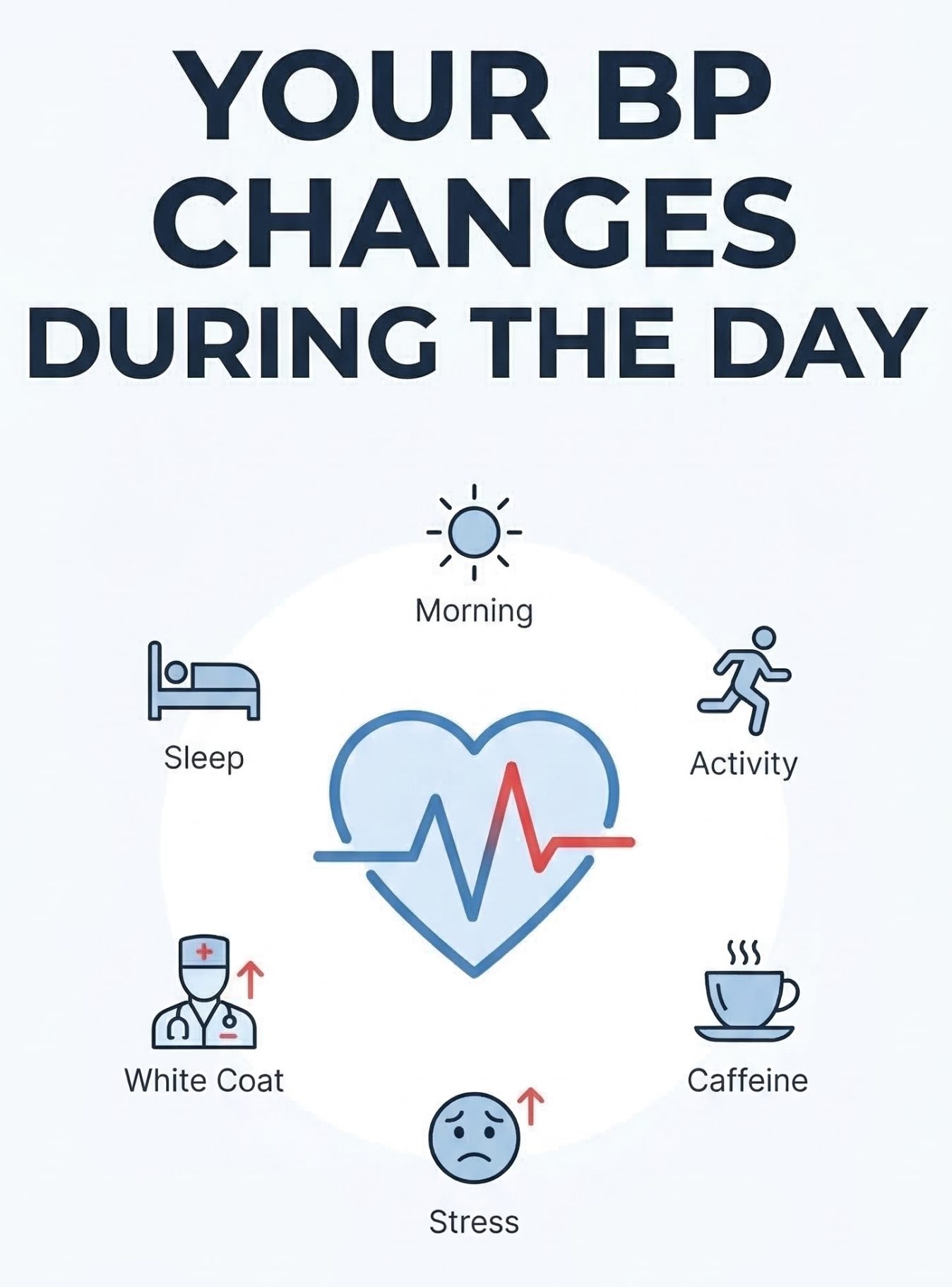
Why a Single Reading Can Be Misleading
Your blood pressure behaves more like a weather report than a fixed number. It changes throughout the day depending on what your body is doing.
Stress or anxiety
Physical activity
Caffeine intake
Sleep quality
Some people also experience temporary increases during doctor visits, often called the “white coat effect.”
Small factors like posture, talking, or cuff position can also affect readings.
Because of this, doctors focus on patterns over time rather than a single measurement.
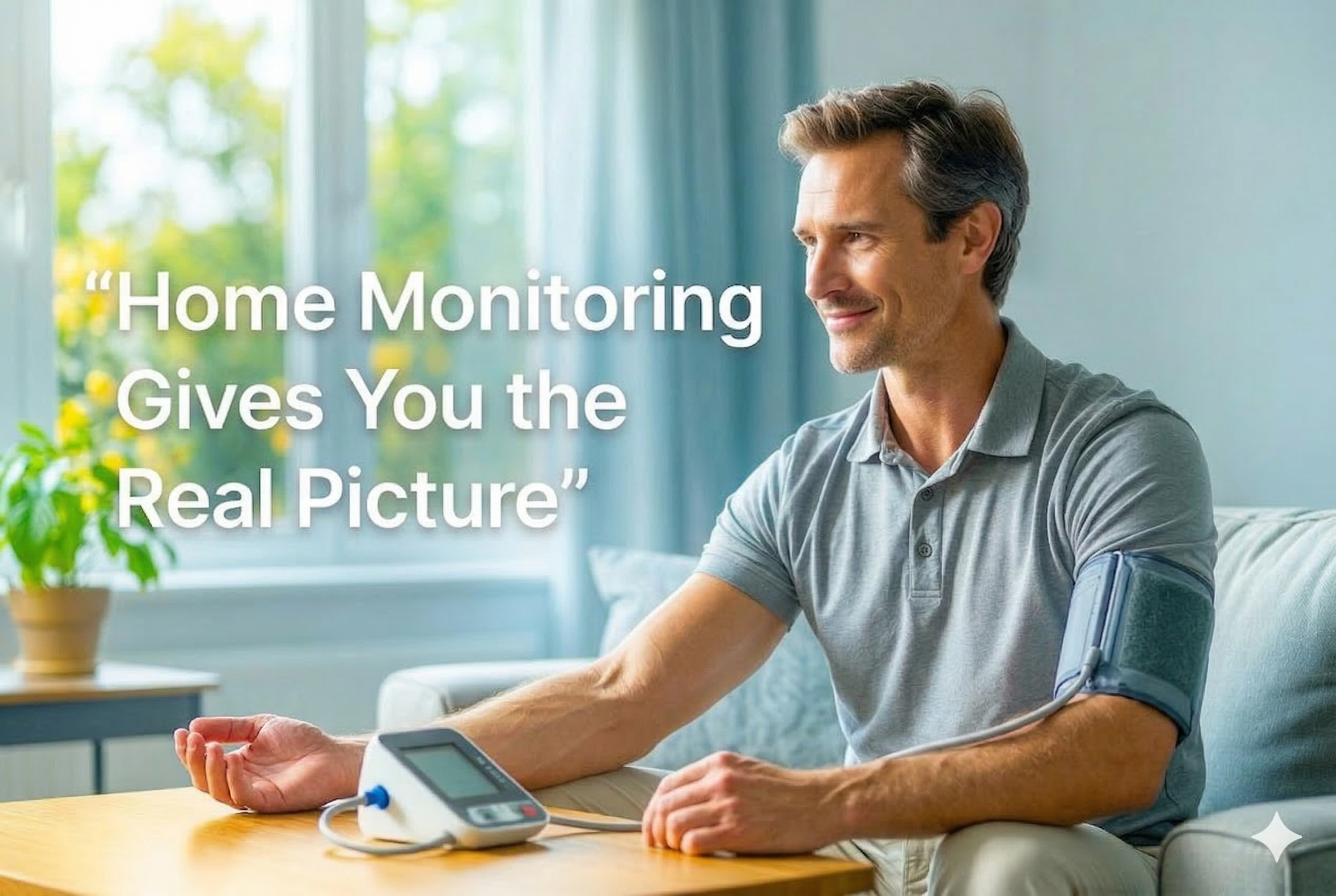
Why Monitoring Blood Pressure at Home Helps
Monitoring your blood pressure at home is a practical way to understand your real, day-to-day levels.
Measurements taken in a relaxed environment are often more reliable than occasional clinic readings.
Regular monitoring helps:

- identify patterns
- track progress over time
- support better medical decisions
Many healthcare providers now recommend using a reliable home blood pressure monitor to track readings consistently.
Recent health discussions have highlighted that many people with high blood pressure are not monitoring their readings regularly. This makes home monitoring an important step in managing the condition effectively.
Why Regular Monitoring Matters More Today
A large number of adults with high blood pressure are not consistently tracking their readings, which makes it harder to manage the condition.
Regular monitoring helps you detect patterns early and understand how your body responds to daily habits.
For many people, this simple habit becomes the turning point in gaining better control over their blood pressure.

Managing blood pressure successfully comes down to three key habits: stay active, cut excess salt, manage stress and sleep well
Understanding your numbers
Regular monitoring
Sustainable daily habits
Simple actions like staying active, reducing excess salt, managing stress, and getting enough sleep can support better control over time.
When Should You Seek Medical Care?
If your blood pressure reaches 180/120 mmHg or higher, it may require medical attention.
If you have symptoms like chest pain, severe headache, or shortness of breath along with high readings, seek immediate medical care.
Fortunately, most cases of high blood pressure never reach this stage when managed early and consistently.
Conclusion
In today’s busy world, lifestyle habits can gradually push blood pressure higher.
The good news is that high blood pressure is often manageable when detected early.
By understanding your numbers, monitoring regularly, and following simple daily habits, you can keep your blood pressure within a healthy range.
The key is not to ignore the numbers — but to use them as a guide toward better health.

Shashi ‘N’ Gautam is the founder of Cure Beyond Pills, where he simplifies complex health concepts into practical, everyday actions. He helps people better manage conditions like high blood pressure through clear understanding, home monitoring, and simple lifestyle support.
Read full profile →